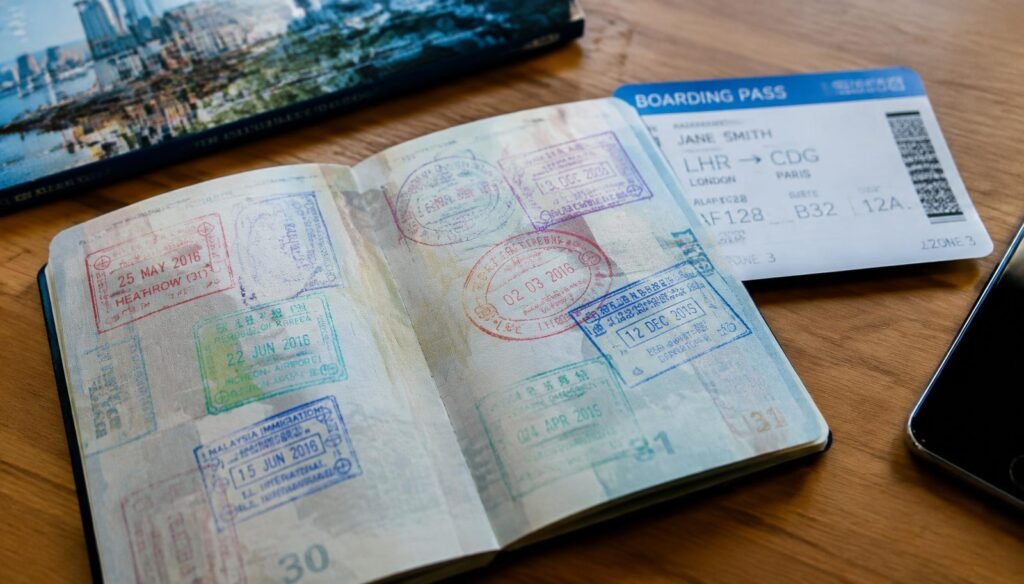
If you have ever started planning a trip abroad, you have probably come across three phrases that sound similar but mean very different things: visa-free, visa on arrival, and e-visa. Many travelers assume these terms are interchangeable, only to discover at the airport check-in desk that they needed to apply for something weeks earlier. Others pay for an expensive visa they never needed in the first place.
This guide explains each entry type in plain language, shows how they differ in cost, time, and risk, and gives you a simple process for working out which one applies to your passport and destination. By the end, you should be able to read any country’s entry rules and know exactly what to do next.
Why Entry Rules Depend on Your Passport
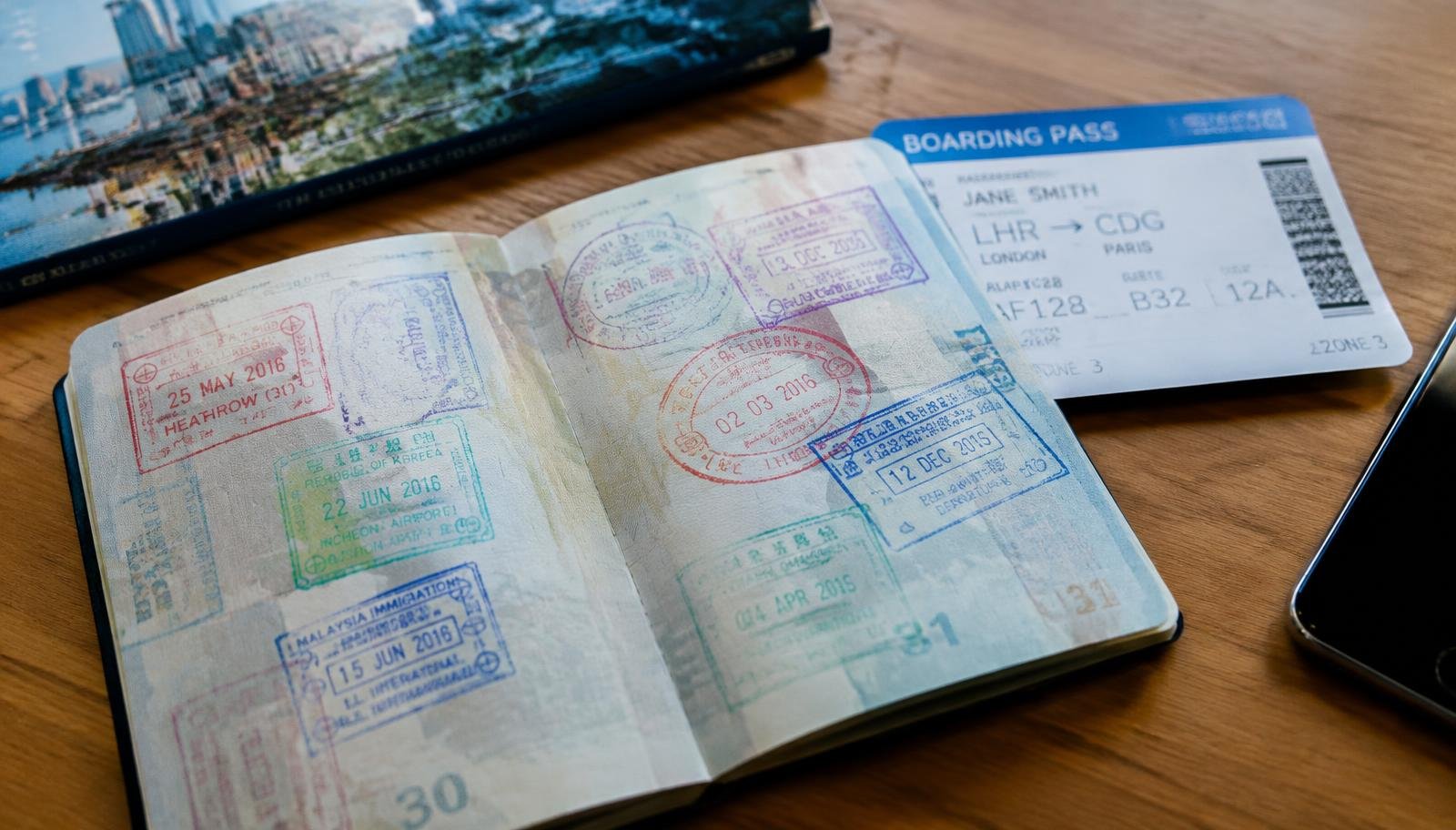
Before comparing the three options, it helps to understand one basic principle: entry requirements are set by the destination country, but they are applied based on your nationality. Two friends flying to the same city on the same plane can face completely different rules. One may walk straight through immigration, while the other needed an approved visa before boarding.
Countries decide these rules through diplomatic agreements, reciprocity, tourism goals, security concerns, and historical overstay rates. That is why a passport from one country might enjoy visa-free access to over 150 destinations, while another has visa-free access to fewer than 40. Rules also change regularly, sometimes with only a few weeks’ notice, so the golden rule is to always check the official government source shortly before you travel.
What Does Visa-Free Mean?
Visa-free travel means you can enter a country without applying for any visa beforehand. You simply present a valid passport at immigration, answer a few routine questions, and receive an entry stamp or digital record. It is the most convenient form of international travel.
Visa-free does not mean “no rules”
This is where many travelers get caught out. Visa-free entry almost always comes with conditions, such as:
- A maximum stay – commonly 30, 60, or 90 days. The Schengen Area, for example, uses a “90 days in any 180-day period” rule for visa-exempt visitors.
- Passport validity – many countries require your passport to be valid for at least six months beyond your arrival date, with one or two blank pages.
- Purpose of visit – visa-free entry usually covers tourism, family visits, and short business meetings, but not paid work or long-term study.
- Proof on request – officers may ask for a return ticket, hotel booking, or evidence that you can support yourself during your stay.
The rise of travel authorizations
An important recent trend is the electronic travel authorization. Systems like the United States’ ESTA, Canada’s eTA, the United Kingdom’s ETA, and the European Union’s planned ETIAS apply to travelers who are otherwise visa-exempt. These are not technically visas, but you still must apply online and receive approval before boarding. If you are “visa-free” for one of these countries, check whether an authorization is also required. Airlines will deny boarding without it.
What Is a Visa on Arrival?
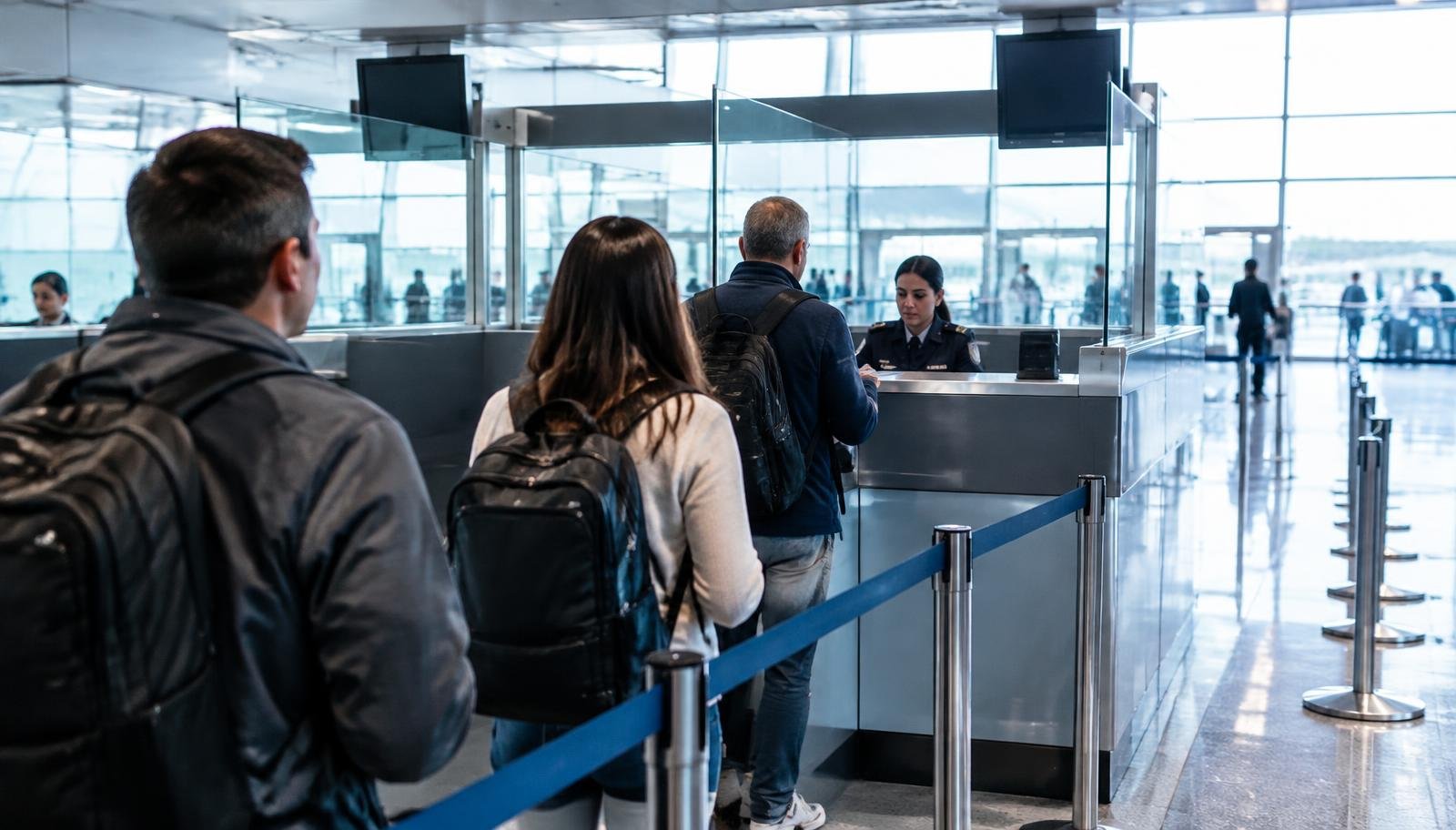
A visa on arrival (often shortened to VOA) is a visa you obtain at the border after you land, rather than before departure. You usually join a dedicated queue at the airport, fill in a short form, pay a fee, and receive a visa sticker or stamp in your passport before passing through standard immigration.
Typical requirements for a visa on arrival
- A passport with sufficient validity and blank pages
- The visa fee, sometimes payable only in cash or in a specific currency such as US dollars
- A passport-size photograph (some countries still require one)
- A confirmed return or onward ticket
- Proof of accommodation, such as a hotel reservation
- Occasionally, proof of funds or a vaccination certificate
Advantages and drawbacks
The obvious benefit is flexibility. You do not need to visit an embassy or submit documents weeks in advance, which is perfect for spontaneous trips. However, visa on arrival carries a hidden risk: you only find out if you are approved after you have already flown. If an officer is not satisfied with your documents, you may be refused entry and sent back on the next flight at your own expense.
There are practical issues too. Queues can take over an hour when several international flights land together. Card machines sometimes fail, so carrying the exact fee in cash is wise. And importantly, your airline may check whether you meet visa on arrival conditions before letting you board, so arriving at the departure airport without a return ticket can end your trip before it starts.
What Is an e-Visa?
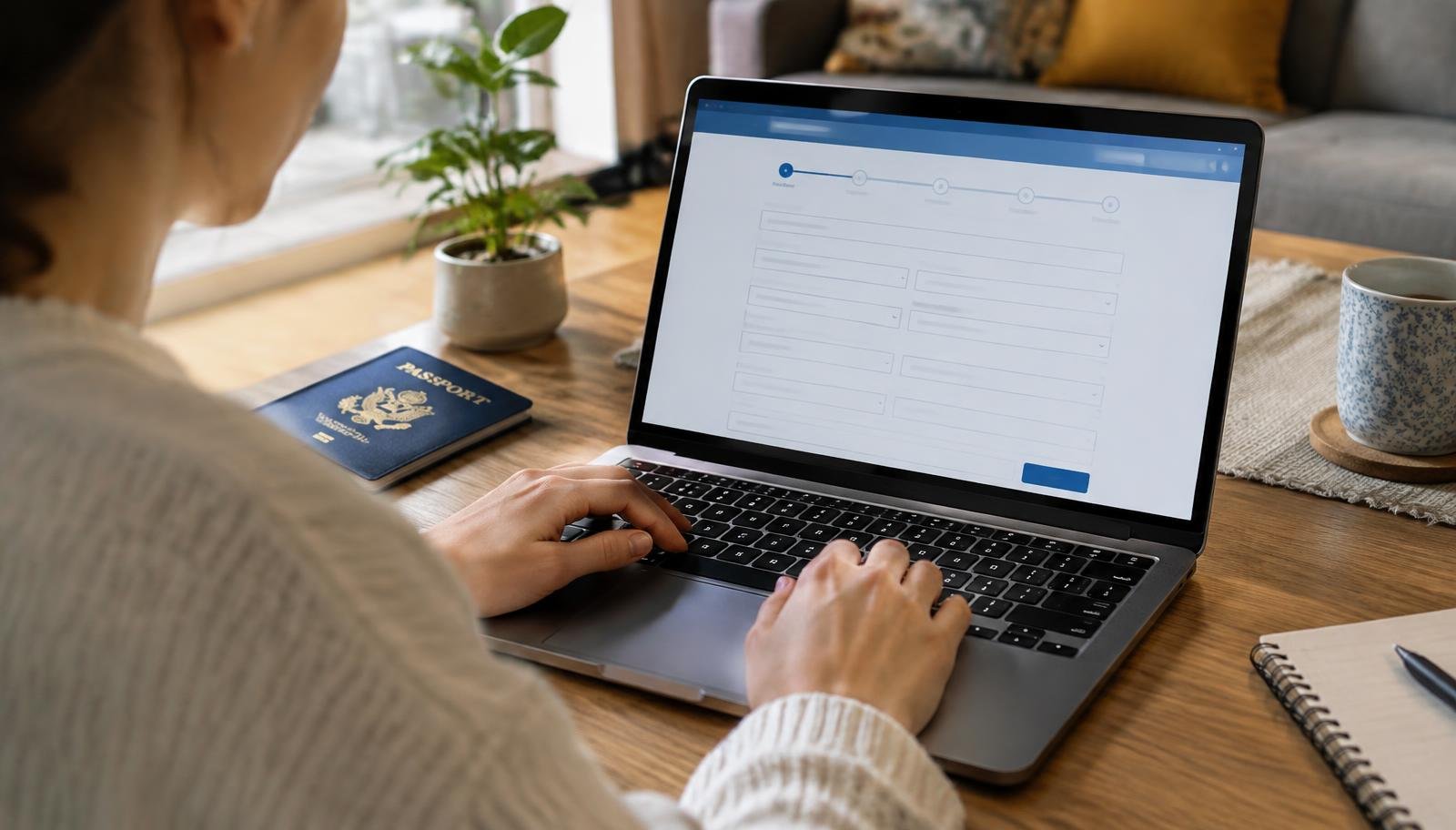
An e-visa (electronic visa) is a visa you apply for and receive online. Instead of visiting an embassy, you complete a web form on the destination’s official portal, upload scanned documents and a digital photo, pay by card, and receive your approval by email, usually as a PDF.
How the e-visa process usually works
- Find the official portal. Search for the government’s official website, ideally linked from the country’s embassy or ministry of foreign affairs page.
- Fill in your details. Enter personal information exactly as it appears on your passport, including your full name, passport number, and expiry date.
- Upload documents. Common uploads include a passport bio-page scan, a recent photo, and sometimes a hotel booking or invitation letter.
- Pay the fee. Payment is typically by debit or credit card.
- Wait for a decision. Processing ranges from a few hours to several weeks depending on the country.
- Print your approval. Carry a printed copy and a digital copy on your phone when you travel.
Beware of unofficial websites
Because e-visas are so popular, many third-party websites imitate official portals and charge several times the real fee. Some are legitimate agencies that simply add a service charge; others are outright scams. Always double-check the website address, look for government domains, and compare the fee with the amount listed by the destination’s embassy. If in doubt, contact the embassy directly.
Side-by-Side Comparison
| Feature | Visa-Free | Visa on Arrival | e-Visa |
|---|---|---|---|
| Apply before travel? | No (unless an e-authorization is needed) | No | Yes, online |
| Cost | Usually free | Fee paid at border | Fee paid online |
| Certainty before flying | High | Low – decided on arrival | High – approved in advance |
| Time at the airport | Short | Can be long | Short |
| Main risk | Overstaying the allowed period | Refusal after landing | Using a fake or overpriced website |
How to Find Out Which One Applies to You
Follow this simple checklist each time you plan a trip:
- Start with your nationality. Always check rules for the passport you will actually travel on. Dual nationals should check both and choose the more favorable one, following any rules about entering and exiting on the same passport.
- Visit the official source. The destination’s embassy website or immigration department is the most reliable reference. Your own country’s foreign ministry travel advice pages are also helpful.
- Check your airline’s guidance. Airlines use a shared database called Timatic to decide who may board. Many airline websites let you check document requirements for your route.
- Consider transit points. If you change planes in another country, you may need a transit visa even if you never leave the airport. Our guide to transit visas covers this in detail.
- Confirm the purpose and length of your stay. Visa-free or e-visa permissions usually apply only to tourism or short business visits within a fixed number of days.
- Recheck one or two weeks before departure. Policies change, especially for new e-visa systems and travel authorizations.
Common Mistakes Travelers Make
- Relying on old blog posts or social media. Rules from two years ago may no longer apply. Always verify with an official source.
- Ignoring passport validity. Even with visa-free access, a passport expiring in four months can lead to refused boarding.
- Assuming a visa on arrival is guaranteed. It is a privilege, not a right; officers can still refuse entry.
- Typing errors on e-visa forms. A single wrong digit in your passport number can make the e-visa invalid. Review every field before you pay.
- Overstaying. Even a single day over the allowed limit can lead to fines, deportation, or bans that affect future applications to other countries.
Frequently Asked Questions
Is an e-visa the same as an ESTA or eTA?
Not exactly. An e-visa is a real visa issued electronically. An ESTA, eTA, or ETA is a pre-travel authorization for travelers who do not need a visa. Both are applied for online, but they are legally different.
Can I extend a visa-free stay?
Some countries allow extensions through the local immigration office, often for a fee. Others do not allow extensions at all. Never assume you can extend; check before you go.
Should I choose an e-visa or a visa on arrival if both are available?
If you have the time, the e-visa is usually the safer choice because you know you are approved before you fly and you often skip the long arrival queue. Visa on arrival suits last-minute trips.
Final Thoughts
Understanding the difference between visa-free entry, visa on arrival, and e-visas can save you money, stress, and the disappointment of a cancelled trip. Visa-free travel is the simplest but still comes with conditions. Visa on arrival offers flexibility but less certainty. E-visas require a little planning but provide peace of mind before you leave home.
Whatever your destination, the safest approach is the same: check the official requirements for your specific passport, prepare your documents early, and keep copies of everything. With the right preparation, crossing a border becomes the easiest part of your journey.
Disclaimer: This article is for general information only and does not constitute legal or immigration advice. Visa rules change frequently; always confirm requirements with the relevant embassy or official government website before traveling.