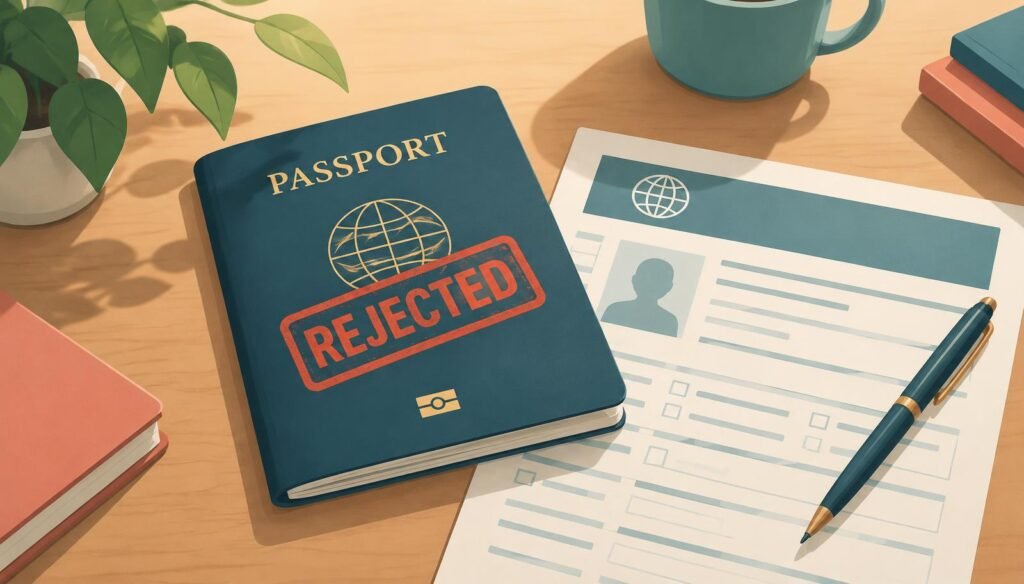
Few things are more disappointing than planning a trip, paying the visa fee, and then receiving a refusal letter. The good news is that most visa rejections happen for a small number of predictable reasons — and nearly all of them are avoidable with the right preparation. In this guide, we break down the five most common visa rejection reasons, explain what visa officers are actually looking for, and show you exactly how to avoid each mistake on your next application.
Whether you are applying for a Schengen visa, a US B1/B2 visa, a UK visitor visa, or any other tourist or business visa, the principles below apply almost everywhere.
Why Visa Applications Get Rejected
Every visa decision comes down to one core question: will this person follow the rules of the visa and leave before it expires? Consular officers are trained to assess risk. They look at your finances, your ties to your home country, your travel history, and the consistency of your story. When something in your file raises doubt — even a small inconsistency — the safest decision for the officer is to refuse.
Understanding this mindset is the key to a strong application. You are not just submitting documents; you are building a case that you are a genuine, low-risk traveler.
1. Incomplete or Incorrect Documentation
This is the single most common reason visas are refused, and it is also the easiest to fix. Missing bank statements, an unsigned form, an expired passport photo, or a hotel booking that does not cover your full stay can all trigger an automatic refusal.
What officers look for
- A passport valid for at least six months beyond your travel dates, with blank pages
- A fully completed and signed application form with no blank fields
- Photos that meet the exact size and background requirements
- Flight reservations, hotel bookings, and a day-by-day itinerary that match each other
- Travel insurance that meets the destination’s minimum coverage (for Schengen, at least €30,000)
How to avoid it
Download the official checklist from the embassy or consulate website — not from a third-party blog — and tick off every item as you prepare it. Then have a second person review your file before submission. Many applicants are refused simply because a date on their hotel booking did not match the dates on their application form. Cross-check every date, name spelling, and passport number across all documents.
2. Insufficient Proof of Funds
Visa officers need to be convinced that you can pay for your trip without working illegally or becoming a burden on the destination country. A bank balance that is too low — or one that suddenly jumped with a large, unexplained deposit just before applying — is a classic red flag.

What officers look for
- Three to six months of bank statements showing a stable, believable balance
- A regular income pattern — salary credits, business income, or pension payments
- A balance that comfortably covers flights, accommodation, and daily expenses (many embassies use a per-day guideline, such as €50–€120 per day for Schengen states)
- Consistency between your stated income and your actual account activity
How to avoid it
Never borrow money to inflate your balance before applying — officers see this constantly and it almost always leads to refusal for misrepresentation. Instead, apply when your finances are genuinely ready. If a family member is sponsoring you, include their bank statements, a signed sponsorship letter, and proof of your relationship. If you are self-employed, add tax returns and business registration documents to explain your income pattern.
3. Weak Ties to Your Home Country
This is the most subjective — and most frustrating — reason for refusal. If the officer is not convinced you have strong reasons to return home, they will assume you might overstay. Young, single applicants with no property, no long-term job, and little travel history are statistically the most affected group.
What counts as a strong tie
- Employment: a stable job with an approved-leave letter from your employer stating your return date
- Business ownership: registration documents, tax records, and ongoing contracts
- Property: a house, apartment, or land in your name
- Family: a spouse, children, or dependent parents remaining at home
- Education: current enrollment with a letter from your school or university
How to avoid it
Do not just claim ties — document them. An employment letter should be on company letterhead, state your position, salary, length of service, and confirm your approved leave. If you own a business, show that it actively operates and needs you back. If your ties are genuinely weak right now, consider building them first: a year of stable employment and a clean bank history can transform a future application.
4. Inconsistent or Unclear Travel Purpose
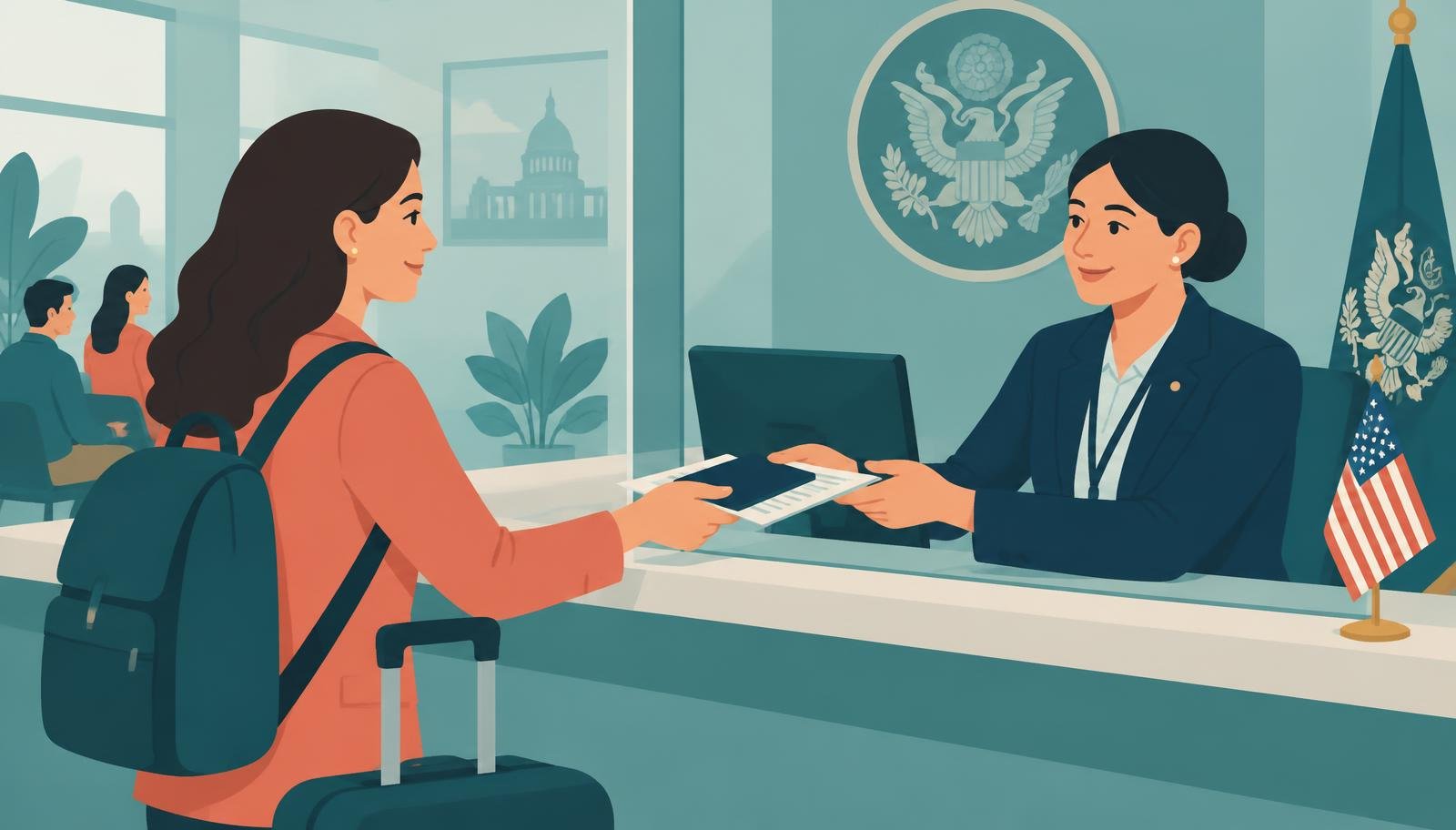
Your application tells a story, and every document must tell the same one. If your cover letter says you are visiting for tourism but your itinerary is vague, your hotel is booked in a different city than your arrival airport, or your stated budget does not match your bank balance, the officer will doubt your real intentions.
How to avoid it
Write a clear, honest cover letter that answers four questions: why you are going, where you will stay, how you will pay, and why you will return. Build a realistic day-by-day itinerary that matches your bookings. If you are visiting friends or family, include their invitation letter and proof of their legal status in the destination country. At the interview, answer questions briefly and confidently — and never memorize a scripted story that contradicts your paperwork.
5. Previous Immigration Violations or Poor Travel History
A past overstay, deportation, or visa refusal — in any country — stays on record and is often shared between countries. Hiding a previous refusal is one of the worst mistakes you can make: when it is discovered (and it usually is), the new refusal will cite misrepresentation, which can lead to long-term bans.
How to avoid it
Always declare previous refusals honestly. A past refusal does not automatically mean a new one — what matters is whether your circumstances have changed. Address the old refusal directly in your cover letter: explain what happened, what has changed since, and what evidence you are now providing. If you have no travel history at all, consider building one with trips to easier-to-visit countries first; a passport with stamps from countries you entered and left on time is powerful evidence of compliance.
What to Do If Your Visa Is Rejected
A refusal is not the end. Read the refusal letter carefully — it will cite the specific reason. You generally have three options:
- Reapply with a stronger file that directly addresses the refusal reason. There is usually no mandatory waiting period, but reapplying with the same weak documents will produce the same result.
- Appeal if the destination country allows it and you believe the decision was factually wrong. Appeals have strict deadlines, often 15 to 30 days.
- Wait and rebuild if your circumstances (finances, employment, ties) are the real issue. Six to twelve months of improvement can make all the difference.
Frequently Asked Questions
Does a visa rejection affect future applications?
Yes, but only if you hide it or fail to fix the underlying problem. Declared refusals with improved circumstances are approved every day.
Can I get my visa fee back after a rejection?
No. Visa fees are processing charges and are non-refundable regardless of the outcome.
How soon can I reapply after a refusal?
Most countries allow you to reapply immediately, but you should only do so once you have genuinely addressed the reason for refusal.
Should I use a visa agent?
A reputable consultant can help organize documents, but no agent can guarantee approval. Be wary of anyone who promises a “100% guarantee” or suggests hiding information — that is a fast route to a long-term ban.
Quick Pre-Submission Checklist
Before you submit or attend your appointment, run through this final checklist:
- Passport valid for 6+ months with at least two blank pages
- Application form complete, signed, and matching every supporting document
- Three to six months of bank statements with a stable, explainable balance
- Employment, business, or enrollment letter confirming you will return
- Flight and hotel bookings that match your itinerary dates exactly
- Travel insurance meeting the destination’s minimum coverage
- Cover letter explaining your purpose, funding, and reasons to return
- All previous refusals declared, with an explanation of what has changed
Final Thoughts
Visa rejections are rarely random. They almost always trace back to incomplete documents, weak finances, unconvincing ties, an unclear purpose, or a problematic history. Treat your application like a case you are building: be honest, be consistent, and document everything. Do that, and you dramatically improve your chances of seeing an approval stamp instead of a refusal letter.
Disclaimer: Visa rules vary by country and change frequently. Always confirm current requirements on the official website of the embassy or consulate where you will apply. This article is for general information only and is not legal advice.